When it comes to building residential mobile homes, often referred to as park homes, that are designed for full-time living, selecting the right construction method is critical. Timber Frame, Light Gauge Steel (LGS), and Structural Insulated Panels (SIPs) are three popular options. Each has unique benefits and challenges that make them suitable for different priorities, such as energy efficiency, cost, and sustainability. This article compares these methods to help you make an informed decision.
Timber Frame: A Time-Tested Classic
What is Timber Frame Construction? Timber frames are made by nailing timber studs together with an external timber sheathing for rigidity. Panels are typically manufactured in factories, complete with insulation, waterproof membranes, and vapor control layers to meet energy-efficient standards.
Pros:
- Cost-Effective: Affordable in terms of materials and labour.
- Flexibility in Design: Easy to modify during construction.
- Widely Available: Timber is easily sourced and processed.
- Natural Insulation: Wood has inherent insulating properties.
Cons:
- Maintenance Needs: Susceptible to rot, mold, and pests.
- Fire Risk: Requires treatment to reduce flammability.
- Longevity Concerns: Vulnerable to environmental factors.
- Environmental Impact: Timber harvesting raises sustainability concerns.
Light Gauge Steel: The Modern Alternative
What is LGS Construction? LGS involves cold-rolled steel formed into C-sections resembling timber studs. These components are assembled into precise, durable panels either in stud form or fully prefabricated.
Pros:
- Durable and Long-Lasting: Resistant to rot, pests, and fire.
- Recyclable: Steel is a sustainable, reusable material.
- Precision Engineering: Factory-made for minimal waste.
- Quick Assembly: Speeds up on-site construction.
- Strength: Ideal for areas with harsh weather conditions.
Cons:
- Thermal Conductivity: Requires additional insulation to combat heat transfer.
- Corrosion Risk: Needs proper maintenance to avoid rust.
- Cost Variability: Steel prices can fluctuate.
- Acoustic Transmission: May require additional soundproofing.
- Specialized Labor: Requires expertise to assemble.
Structural Insulated Panels (SIPs): Innovation for Efficiency
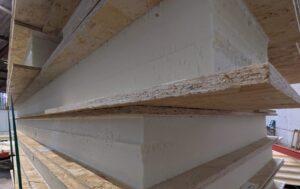
What are SIPs? SIPs consist of two layers of Oriented Strand Board (OSB) bonded to a rigid insulation core. These panels are pre-cut in factories and assembled on-site for walls, floors, and roofs.
Pros:
- Energy Efficiency: Excellent insulation minimises heating and cooling costs.
- Airtight Construction: Reduces air leakage and thermal bridging.
- Strength and Durability: High strength-to-weight ratio.
- Quick Installation: Prefabricated panels speed up the build.
- Versatility: Usable in various applications, from walls to roofs.
Cons:
- Higher Initial Cost: Materials and labour are more expensive.
- Moisture Sensitivity: Requires careful sealing.
- Limited Insulation Options: Typically relies on foam cores.
- Specialized Skills Needed: Requires trained professionals.
- Post-Assembly Modifications: Challenging to alter after installation.
Comparing Insulation and Energy Efficiency
All three methods can meet or exceed modern building regulations for thermal performance. Timber Frame and LGS offer flexibility in insulation materials, allowing for natural options like sheep wool or wood fibre. SIPs excel in airtightness and reducing thermal bridging due to their integrated design. Achieving Passivhaus standards is possible with all methods, but SIPs are often the easiest to optimise for this.
Choosing the Right Method for Your Mobile Home
When deciding on a construction method, consider the following:
- Budget: Timber frame is often the most cost-effective.
- Durability: LGS is ideal for long-lasting, low-maintenance builds.
- Energy Efficiency: SIPs offer unparalleled thermal performance.
- Sustainability: Both LGS and SIPs provide eco-friendly options, but timber may appeal to those preferring natural materials.
Conclusion
Timber Frame, LGS, and SIPs each bring distinct advantages to modern home construction. The right choice depends on your priorities, whether they are cost, sustainability, or energy efficiency. By understanding the properties of these methods, you can make an informed decision and build a mobile homes that meets your needs for comfort, durability, and environmental responsibility.
Learn more about how our luxury residential mobile homes can fit your needs by visiting Happynest Homes. Let us help you find the perfect solution for sustainable and comfortable living.