Buying a mobile home can be an exciting and cost-effective alternative to traditional housing — whether as a park home, a holiday lodge, or a stylish garden annexe. Mobile homes offer flexibility, speed, and value for money, making them a great option for anyone looking to downsize, create extra living space, or enjoy a more sustainable lifestyle.
At Happynest Homes, many of our customers use mobile homes as granny annexes, garden lodges, or home extensions — especially where full planning permission might not be achievable. A structure that complies with the Caravan Act can make this possible in many gardens. (If you’re unsure what that means, check out our guide: Understanding the Caravan Act and What It Means for Lodges, Annexes and Garden Rooms).
But while mobile homes are generally more affordable than bricks-and-mortar houses, the headline price rarely includes everything. Below, we break down the often-overlooked costs — and how to plan for them so your project runs smoothly.
Hidden Costs to Consider Before Buying a Mobile Home
1. VAT: Residential vs. Holiday Specification
When comparing prices from different manufacturers, it’s vital to understand VAT.
- Residential mobile homes (built to the BS3632 standard) are zero-rated for VAT, meaning you don’t pay any on the structure itself.
- Holiday lodges or EN-standard homes, however, typically attract 5% VAT (and in some cases, standard 20% VAT on furniture or non-permanent fittings).
- If you’re planning to live in your mobile home year-round — for example, as an annexe or permanent residence — make sure your model is certified as BS3632. It could save you thousands.
👉 Learn more in our guide to BS3632: Understanding the Standard for residential Mobile Homes.
2. Transport Costs for Mobile Homes
Mobile homes are large, often sectional structures that need specialist transportation. They aren’t simply towed like touring caravans.
- Specialist haulage is required, with escort vehicles (and occasionally police escorts) for oversized loads.
- Costs depend on distance, accessibility, and the number of sections being delivered.
👉 Typical cost range: £2,500–£7,000 (more for long distances or narrow access routes).
At Happynest Homes, we help customers plan delivery routes at enquiry stage — it’s one of the easiest ways to control transport costs.
3. Groundworks: Preparing Your Plot for a Mobile Home
If you’re installing your mobile home on private land (rather than a holiday or residential park), you’ll need to prepare the site. Skip this step if your home is going on an existing park pitch — they’ll already have a level base and service connections ready.
Groundworks can include:
- Base construction: concrete pad, reinforced slabs, or ground screws (depending on the weight and frame type).
- Drainage and access preparation.
- Levelling and anchoring for stability and safety.
👉 Typical cost range: £3,000–£10,000 depending on soil, access, and required foundations.
If you’re unsure what’s best for your site, consult a local groundworks specialist familiar with mobile homes.
4. Utility Connections and Services
Even the most self-contained mobile home needs essential utilities:
- Electricity: connecting to the mains or installing a renewable system.
- Water and waste: grey and black water connections or septic tank.
- Gas: optional if your home isn’t all-electric.
If utilities already exist on the site, you’ll save significantly. But on new or rural land, trenching and connections can be one of the bigger hidden costs.
👉 Typical cost range: £2,000–£8,000
(Our prefabricated mobile homes are fully electric and feature cost saving technology like mechanical ventilation with heat recovery (MVHR) — significantly reducing both installation and running costs. Explore our energy-efficient homes.)

5. Siting and Installation Costs
Once delivered, your home needs to be correctly positioned, joined, and connected — known as siting.
Costs depend heavily on access:
- Can your home be rolled into place, or does it need craning over obstacles?
- Will it be delivered in one piece or multiple sections?
👉 Typical cost range: £1,500–£5,000
While siting may sound simple, it’s worth budgeting extra for awkward access — we’ve seen costs double where access wasn’t planned ahead.
6. Skirting & Decking
Adding skirting and decking isn’t just about aesthetics — both improve performance and comfort.
- Skirting protects the underside from weather, pests, and drafts.
- Decking adds usable outdoor space and makes access easier.
👉 Typical cost range:
- Skirting: £1,000–£3,000
- Decking: £2,000–£6,000
We often recommend including these from the outset — it completes the look and helps your mobile home feel more permanent and integrated into your garden.
7. Running Costs and Maintenance
Even after setup, there are ongoing costs to keep in mind:
| Expense | Typical Annual Cost | Notes |
|---|---|---|
| Insurance | £300–£700 | Specialist mobile home insurance recommended |
| Maintenance | £500–£1,000 | Check cladding, roofing, seals annually |
| Ground rent (if on park) | £150–£300/month | Covers communal facilities & upkeep |
| Energy costs | Varies | Greatly reduced with BS3632 insulation |
The biggest variable here is build quality. Homes built to BS3632 or equivalent residential standards have better insulation and ventilation — drastically lowering heating and maintenance costs. Always ask your manufacturer for U-values and insulation details.
(We’ve written more on what BS3632 means for comfort and efficiency here.)
8. Why Choosing a UK Manufacturer Matters
Not all mobile homes are built equally — and where your home is made can make a huge difference to its quality, compliance, and longevity.
In recent years, many mobile homes sold in the UK have been manufactured overseas, particularly in parts of Eastern Europe and the Balkans. While the upfront cost can look tempting, there are serious risks buyers often don’t realise until it’s too late.
We’ve seen imported homes arrive with:
- No backboards behind electrical systems, posing safety and fire risks.
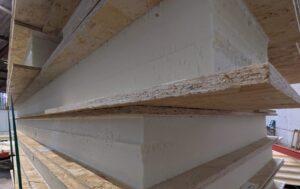
- Missing insulation or cheap substitutes, leading to high heating costs.
- Substandard joinery and hidden workmanship issues — things inside the walls that no one can see until it’s too late.
These aren’t small issues; they affect your comfort, running costs, and even the long-term safety of your home.
👉 Read more: 5 Reasons to Choose a UK Manufacturer for Your Prefab Home.
Final Thoughts
Buying a mobile home can be one of the most rewarding and flexible housing decisions — but it’s essential to budget for all the costs involved.
By understanding the hidden costs of buying a mobile home, you’ll avoid surprises and enjoy a smooth, stress-free process.
At Happynest Homes, we design bespoke mobile homes, lodges, and garden annexes that are:
✅ Built to BS3632 standards
✅ Zero-rated for VAT
✅ Exceptionally energy-efficient
✅ Crafted from non-toxic, sustainable materials
If you’re looking for a mobile home that’s built like a house, explore our range of homes or get in touch to start your project today.